
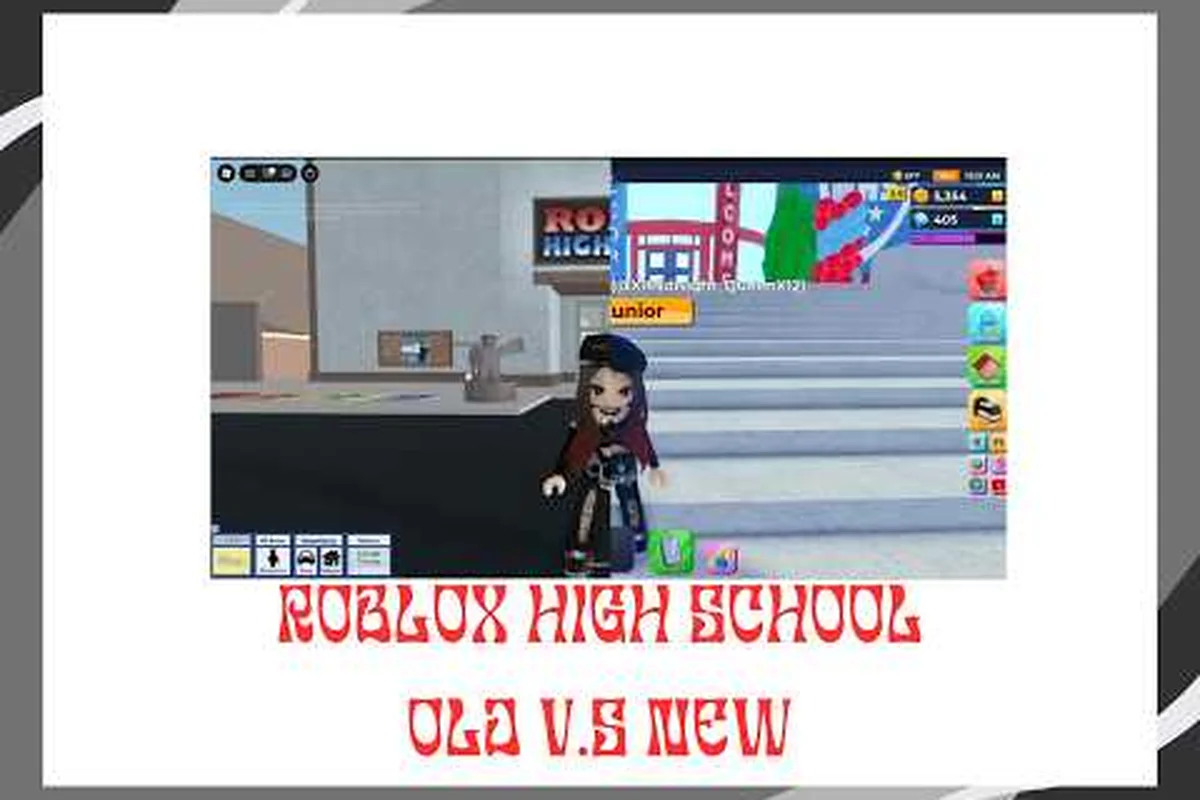
Roblox High School 2009 is the title that started Cinder Studio's school-life franchise on Roblox, and more than fifteen years later it still draws a crowd under the Legacy label. The original build gave players classrooms, lockers, and a campus that felt like the first proper roleplay stage on the platform. Understanding how the 2009 release shaped Roblox High School 2 — and why the community still calls it the classic — matters for anyone tracking the series' history.
The 2009 Release and the Birth of the Legacy Campus
Roblox High School 2009 launched in 2009 under the studio that would later be known as Cinder Studio, a small developer team that helped define early Roblox roleplay conventions. The build shipped with a small but functional campus, basic avatar customization, and a chat-driven social loop that turned hallways into the main attraction. Cinder Studio kept the experience live for years, and the original 2009 build is now preserved inside the Legacy version of Roblox High School, which the developer still hosts as a separate place on the platform.
The campus layout itself became a template the community would measure every later school roleplay against. Classrooms lined the main hall, lockers acted as social hubs, and the schoolyard offered a sandbox for minigames, dance circles, and "cinderings" — the nickname longtime players gave to the slow process of grinding a chosen Cinder Studio school title for hours on end. According to community data, the 2009 design was small on purpose: the developer wanted every player to recognize the same landmarks, which is part of why the map still feels familiar in 2026.
| 2009 Build Landmark | Original Purpose | 2026 Status |
|---|---|---|
| Main Hall | Central spawn, social meeting point | Preserved inside Legacy |
| Classroom Block | Roleplay scenes and "class" minigames | Mostly preserved, lightly updated |
| Locker Row | Trade hub, group meetup spot | Preserved |
| Schoolyard | Dance circles, racing, sandbox play | Preserved, used for events |
The original 2009 release also established the developer brand later players would call "Cindering" in shorthand. That nickname tracks how often Cinder Studio used the campus for back-to-school events, returning-player celebrations, and limited-time items that only ran for a few weeks each year. The 2009 map was the canvas for nearly all of those early events, and the cadence continued into the Legacy build that players visit today.
Roblox High School Classic vs Legacy: What the Labels Mean
Players searching for the original experience often run into two labels: classic and Legacy. Both names refer to the same original 2009 release, preserved under the broader Roblox High School umbrella, but the platform now serves them through separate places with different visit counts. The 2018 sequel, Roblox High School 2, lives on its own page, and the original Legacy build sits beside it as a working museum piece.
The distinction matters because the 2009 experience does not behave like the 2018 release. Players stepping into the classic build will not find the Avatar Editor, the Starcadia Bay open town, or the modern housing system that the sequel introduced. Instead, they get a tighter map, a simpler character creator, and the social rhythm that defined the early 2010s Roblox community. The Cinder Studio team treats the classic and the sequel as two different products, and the in-game UI nudges players toward the right one for what they want to do.
| Label | Map | Year | Current Role |
|---|---|---|---|
| Roblox High School (classic) | 2009 Legacy campus | 2009 | Community roleplay hub |
| Roblox High School 2 | Starcadia Bay | 2018 | Modern sequel with Avatar Editor |
| Roblox High School (Legacy) | 2009 campus rehosted | 2018+ | Long-running event host |
Both places use Cinder Studio's moderation pipeline, which is one reason the original campus has stayed online. The developer announced in 2024 that large content updates had stopped on the classic build, yet the experience stayed online with moderation in place and returned to the front page during the platform's 2026 anniversary celebration. The classic 2009 release is no longer the studio's main focus, but it remains a functional Roblox place rather than an archived screenshot.
Roblox High School vs Roblox High School 2: A Side-by-Side Comparison
The clearest way to see the legacy of the 2009 build is to put it next to its sequel. Roblox High School 2 launched in 2018 and rebuilt the same premise on a new engine with a bigger map, a deeper customization system, and a much larger content roadmap. Cinder Studio treats the two as separate games with shared DNA, and the Roblox High School 2 official page describes going to class, meeting friends, dressing up with the Avatar Editor, and building a home in the town of Starcadia Bay — features that simply do not exist in the 2009 build.
Map, Mechanics, and Social Loop
The 2009 map is small by modern standards and rewards repeat players who already know the layout. Roblox High School 2 instead uses a larger open town with multiple schools, shops, and a housing district, which gives the experience more room to grow but less of the original hallway feel. The 2009 social loop is dense and chat-driven: the entire experience happens in close proximity, so players meet each other quickly. The sequel spreads the same social energy across a wider area, which suits roleplay fans who want longer scenes and richer character outfits.
Updates, Events, and Player Investment
The classic 2009 build now runs in maintenance mode, while Roblox High School 2 receives the active content drops that Cinder Studio used to test on the original. Community reports describe the 2009 build as a "frozen" experience — the same campus, the same dance floors, the same hallways — while the sequel rotates seasonal schoolpacks, new houses, and limited cosmetics every few months. That split is intentional: Cinder Studio has confirmed that it wants the classic build to stay close to the original release so returning players can revisit what the game looked like in its first decade.
Cinder Studio, Cindering, and the Developer Story Behind the Build
Cinder Studio, the developer behind both Roblox High School and Roblox High School 2, started as a small Roblox team in the late 2000s and grew alongside the platform. The 2009 high school release was one of the studio's earliest hits, and the team spent nearly a decade expanding the campus before rebuilding the concept from scratch in 2018. The community nickname "Cindering" — players saying they are "going to go Cindering" — refers to the slow, social grind of hanging out on a Cinder Studio school title for hours, chasing seasonal items, and trading outfits with other regulars.
Why the Studio Kept the 2009 Build Online
The developer announced in 2024 that large content updates had stopped on the original Roblox High School, yet the experience stayed online with moderation in place. According to community data shared across fan wikis, the studio treats the 2009 build as a long-running social hub rather than a finished product. Moderation keeps the lobbies clean, anti-exploit scripts block the most common cheats, and the experience returned to the front page during the platform's 2026 anniversary celebration because Cinder Studio wanted returning players to find the original campus exactly as they left it.
That choice has a real effect on player count. As of 19 September 2026 the original Legacy build showed roughly 595 million visits, 2.62 million favourites, and an 18,967 concurrent-player peak inside the anniversary event window. Those numbers are lower than the sequel's active audience but still large enough to place the 2009 build among the most-visited school roleplay experiences on the platform. Community reports suggest the classic build is most active during the back-to-school window, the anniversary celebration, and any limited-time item drop the studio quietly adds to the original.
What Cindering Looks Like in 2026
A typical Cindering session in 2026 starts on a returning player's account, often after years away, and begins with a quick walk through the Legacy campus to recognize the old landmarks. Players will trade outfits, queue up a dance circle in the schoolyard, and chat with regulars who never left the 2009 build. The grind itself is light compared with the sequel: there are no new classes to attend and no big seasonal battle pass, just the same handful of social spaces that defined the original experience. According to community data, the most common reason players return to the 2009 build is nostalgia, while the most common reason they stay is the dense, fast-moving social loop that the sequel's larger map cannot fully replicate.
Players who want a smoother first hour on the modern Roblox client can pair this history piece with the Roblox High School beginner guide, which walks through the controls, chat basics, and roleplay etiquette that the 2009 build assumes everyone already knows.
The 2009 Build in 2026: Visits, Events, and What's Next
The 2009 build is no longer the main place where Cinder Studio drops new content, but it is far from empty. The studio uses the original campus as a stage for legacy events, anniversary celebrations, and the occasional returning-player code drop that mirrors what the sequel runs. Understanding how the 2009 build fits into the 2026 update calendar helps players decide whether to spend time on the classic or jump straight into Roblox High School 2.
Anniversary and Seasonal Events
Cinder Studio has used the 2009 build as the home for the platform's annual Roblox anniversary event since 2022, according to community reports. The classic campus is easier to decorate for a global celebration than the sequel's open town, which is why returning players find the same banners, schoolpacks, and limited-time badges on the original build first. Players interested in the broader 2026 anniversary event can read the Roblox High School anniversary event breakdown for the schedule, item list, and how the 2009 build ties into the rest of the studio's calendar.
The Sequel's Role and Where the Series Is Heading
Roblox High School 2 now carries the active development load, and the 2009 build exists as a complementary social space rather than a competitor. Cinder Studio has signaled that future updates will focus on the sequel while the classic build stays in maintenance mode, which means players who want new classes, new houses, and seasonal cosmetics should treat the 2018 release as their main home. The 2009 build, meanwhile, remains the best place on Roblox to experience the original Cinder Studio campus exactly as it shipped in 2009. For newcomers who want to join the experience for the first time, the Roblox High School how to start guide covers the first-time join flow on both the classic and the sequel.
| Year | Build | Status | Headline Event |
|---|---|---|---|
| 2009 | Roblox High School (2009) | Launch | Original campus ships |
| 2018 | Roblox High School 2 | Launch | Sequel rebuilds the franchise |
| 2022 | Both | Anniversary host | First platform-wide anniversary on the classic build |
| 2024 | Both | Maintenance | Developer pauses large updates on the classic build |
| 2026 | Both | Anniversary host | Classic build returns to front page for platform anniversary |
What the Original 2009 Build Still Teaches Players
The 2009 build is a working artifact, not a museum piece, and it still teaches the basics of Roblox school roleplay better than most modern alternatives. New players who start on the classic build learn the social loop — greeting, trading, forming groups, joining class minigames — without the visual noise of the sequel's larger map. Returning players get a clear picture of how Cinder Studio's design language has evolved, which makes it easier to appreciate the changes the 2018 sequel introduced. Longtime fans get the one thing neither sequel can offer: the original campus, exactly as it shipped in 2009.
Players who plan to spend real time on the modern client will also want the Roblox High School new player guide for mobile and console control tips, since the 2009 build uses the same control scheme as the rest of the Roblox school roleplay catalog.
Frequently Asked Questions
What is Roblox High School 2009?
Roblox High School 2009 is the original Cinder Studio school roleplay game that launched in 2009 and is still online today under the Legacy label. It introduced the classroom-and-hallway design that the studio reused when it rebuilt the franchise as Roblox High School 2 in 2018.
Is Roblox High School 2009 the same as Roblox High School classic?
Yes. "Classic," "Legacy," and "2009" all refer to the original Cinder Studio build, which the developer now hosts as a separate place from the 2018 sequel. Both are part of the same Roblox High School brand but use different maps and feature sets.
How does Roblox High School 2009 compare to Roblox High School 2?
The 2009 build is a smaller, chat-driven campus with the original classroom and locker layout, while Roblox High School 2 is a 2018 sequel set in Starcadia Bay with an Avatar Editor, housing, and a larger open town. The 2009 build is now in maintenance mode, and the sequel is where Cinder Studio drops new content.
Who developed Roblox High School 2009?
Roblox High School 2009 was developed by Cinder Studio, the same team behind Roblox High School 2. The studio kept the original build online after launching the sequel and still runs anniversary events on the classic campus each year.
What does "Cindering" mean in the Roblox High School community?
"Cindering" is community shorthand for spending long sessions on a Cinder Studio school title, usually chasing seasonal items, trading outfits, and chatting in the hallways. Players use the term for both the 2009 classic build and the 2018 sequel, and it is the most common nickname for the developer brand across the Roblox High School fan community.